Home security doesn’t have to feel like you’re building a fortress—but it requires more than a piddly security camera outside. In reality, protecting your home is mostly about reducing easy opportunities and making smart, consistent habits feel automatic. The goal isn’t to live in fear; it’s to create layers of deterrence so an intruder decides your place isn’t worth the trouble. If you’re ready for practical upgrades, these five tips can help you feel more confident every time you lock the door and head to bed.
Strengthen the Basics: Doors, Frames, and Locks
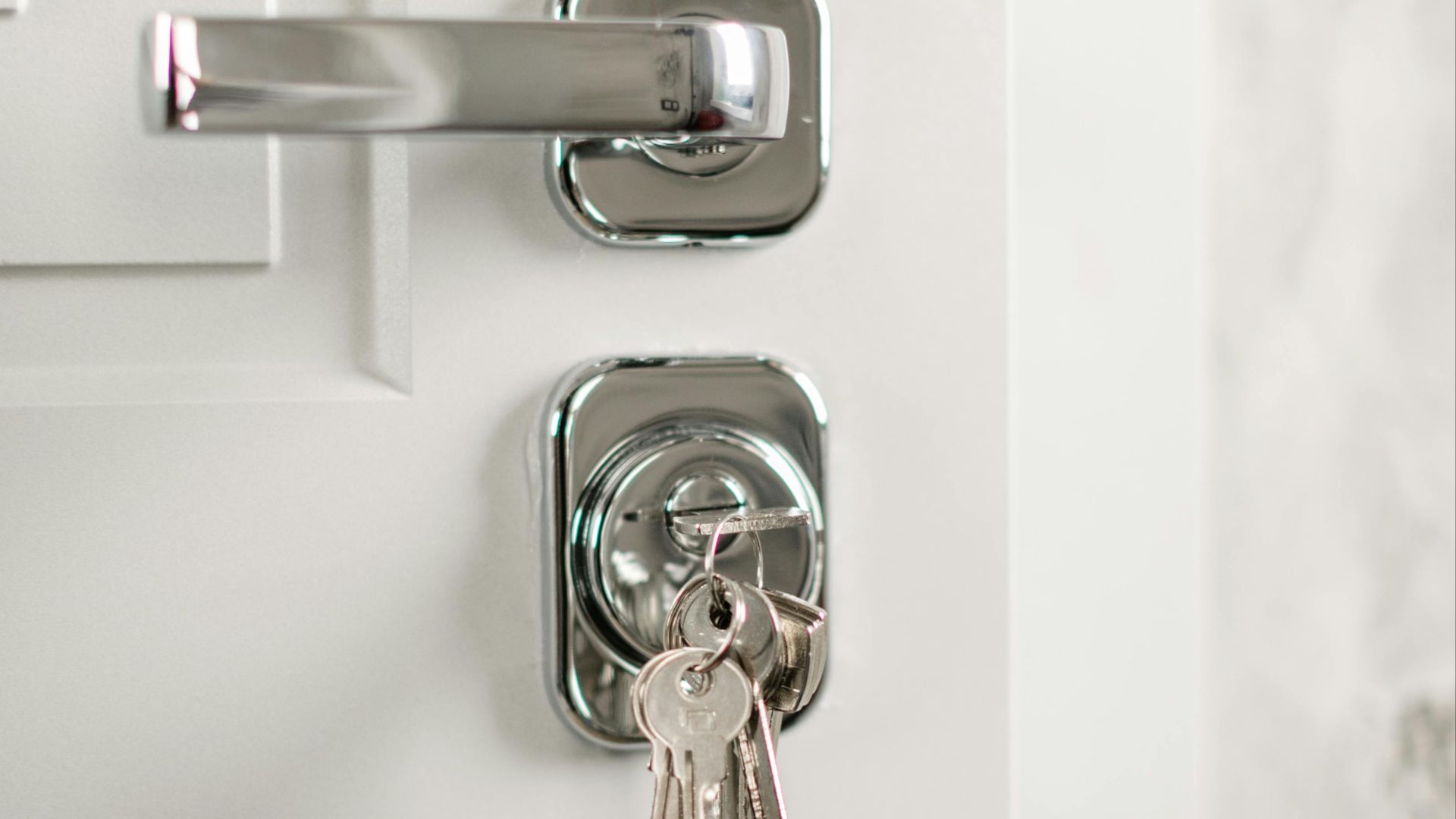
A fancy lock won’t help much if the door frame’s flimsy, so start with the parts that take the impact. Use a solid-core exterior door, install a quality deadbolt, and consider longer screws in the strike plate so it anchors deeper into the studs. When you have sturdy entry points, you make forced entry noisier, slower, and way less appealing.
Light Up the Outside
 Sebastien Devocelle on Unsplash
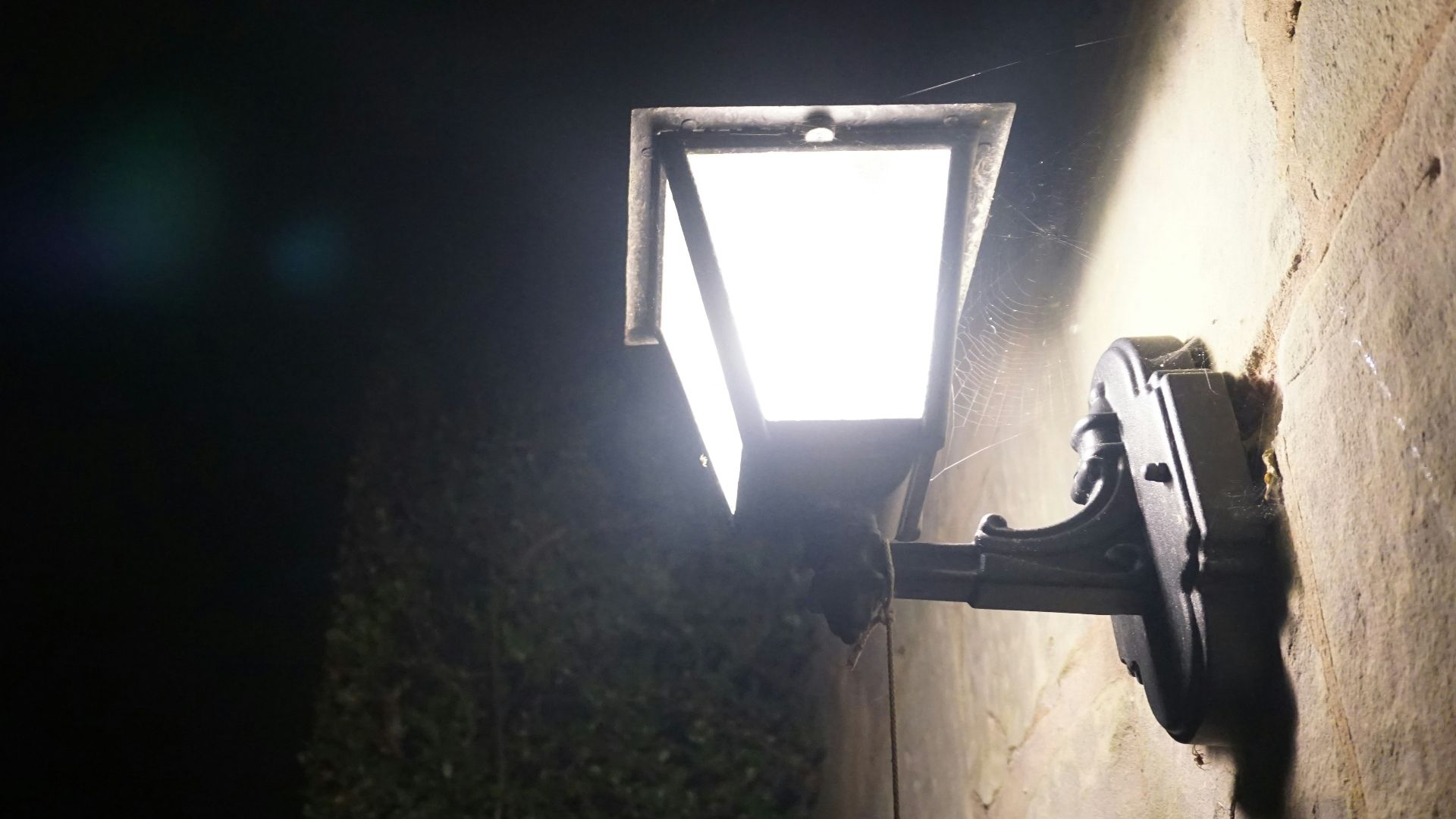
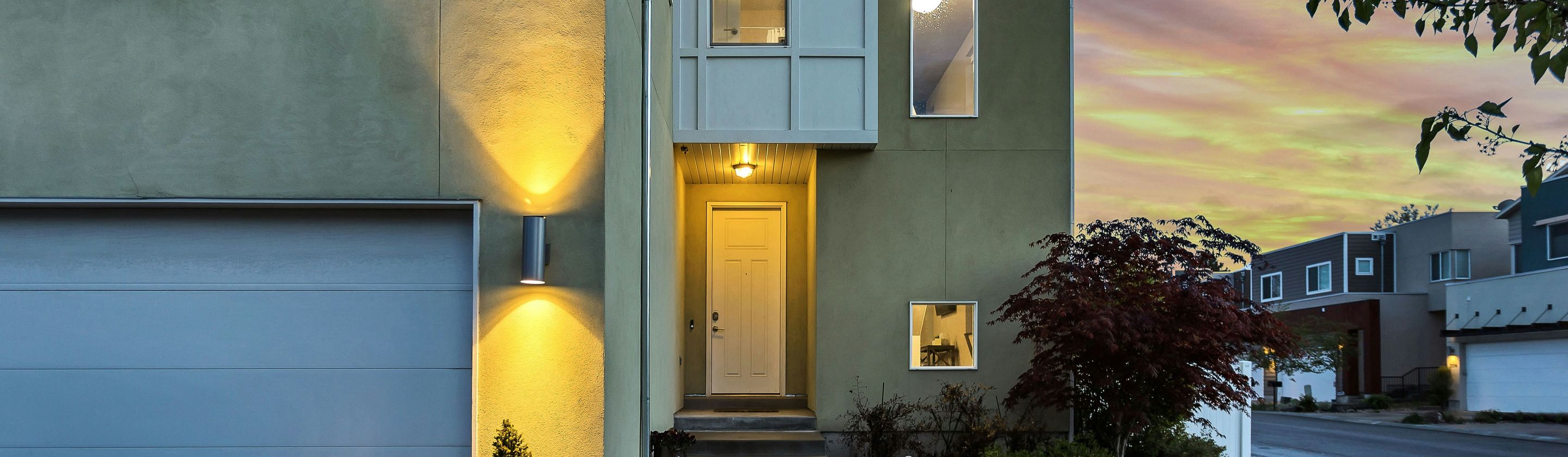
Intruders prefer shadows, and good lighting takes away the cover they crave. Motion-activated lights near doors, garages, and walkways are especially effective because they draw attention without you having to remember anything. Better yet, if you’ve got landscaping that creates hiding spots, a little illumination can change the whole feel of the space.
Make Your Home Look Occupied, Even When You’re Not
An empty-looking house is an invitation, so give the impression that someone’s always around and mildly busy. Timers for lamps, a radio on low volume, and a habit of bringing in packages quickly can all help.
Use Cameras and Alarms as Visible Deterrents
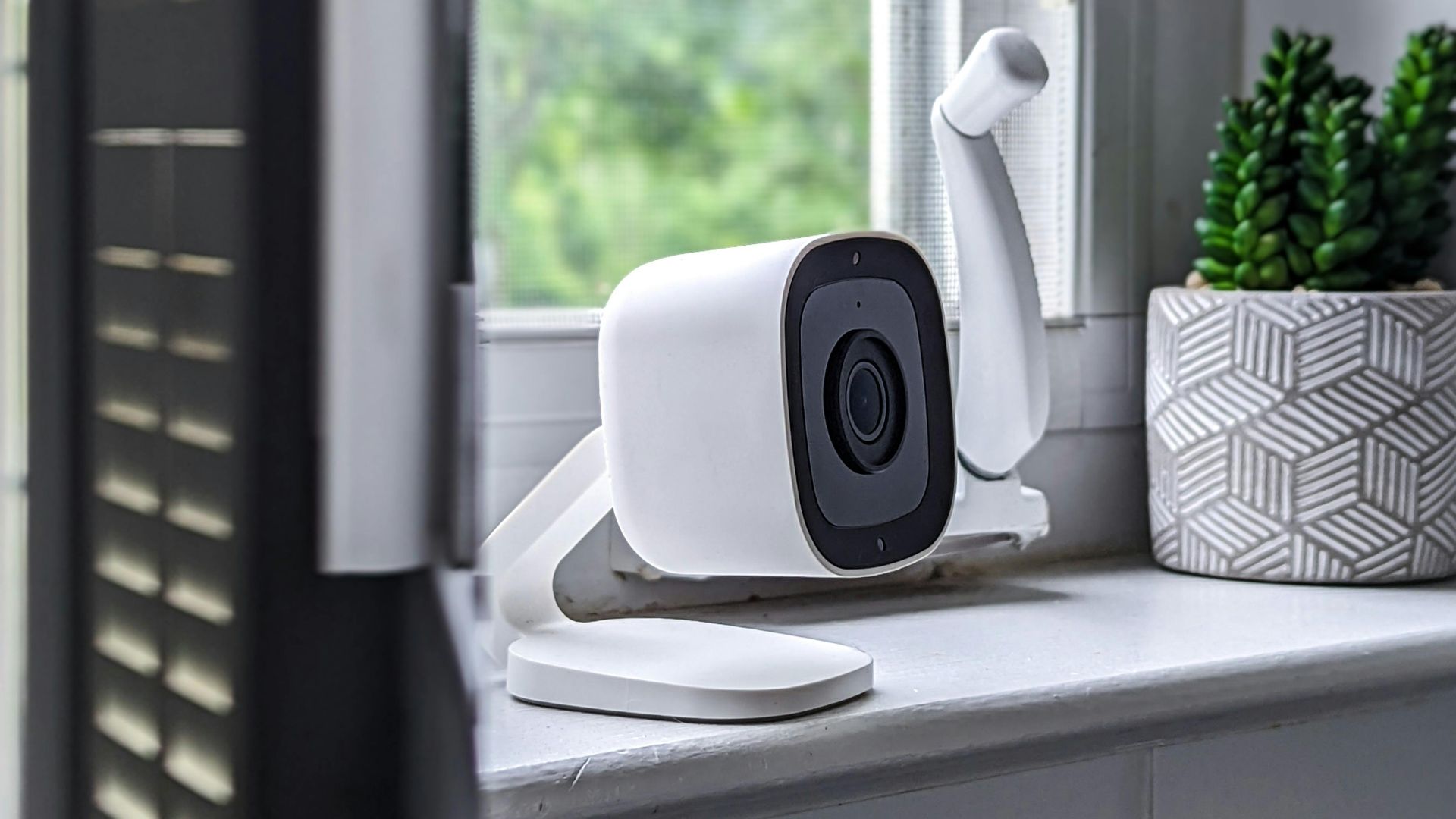
Security cameras and alarm systems can provide evidence, but their first job is prevention. A doorbell camera or alarm signage can convince someone to move along before they even think to try anything. Just make sure you keep your system updated and choose secure passwords; digital safety matters just as much as hardware.
Build Simple Safety Routines for Everyone at Home
Technology is helpful, sure, but habits are what keep you protected in the long run. Lock doors and windows consistently, double-check garage access, and agree on what to do if something feels off (such as calling a trusted neighbor or the cops). If you live with other people, a quick household “security checklist” turns good intentions into reliable routines.
KEEP ON READING
Off The Market: The 5 Don’ts For Selling Your Home

The 5 Best Cities In America To Buy A Home
5 Life-Saving Tips To Protect Your Home From Intruders
The 5 Easiest Herbs For New Gardeners

5 High-Yield Crops For Small Backyards