
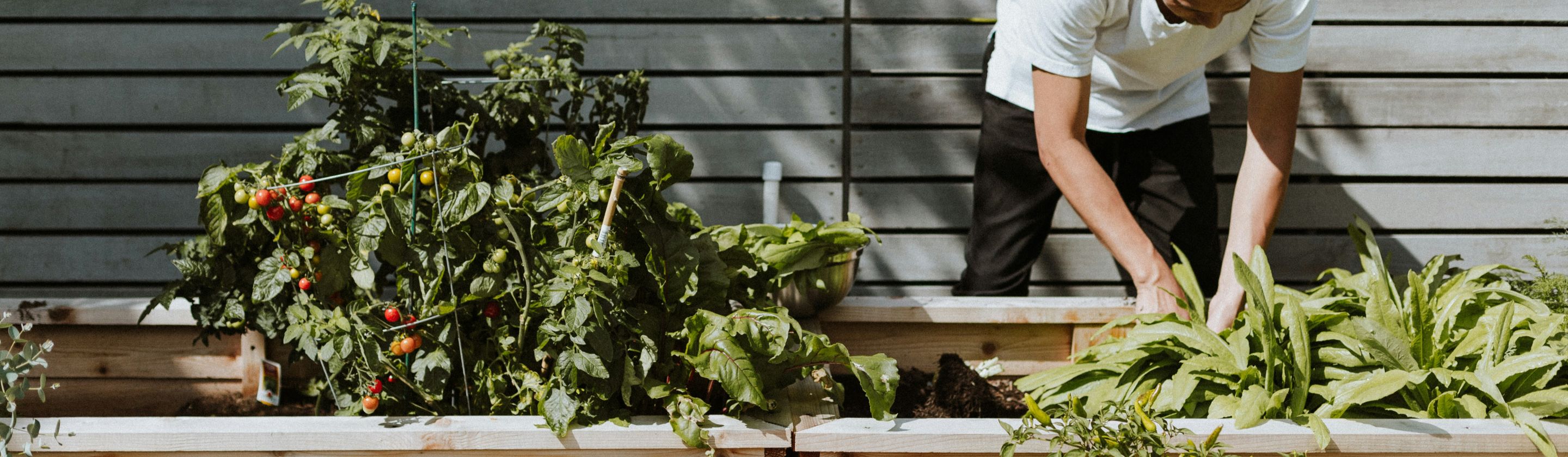
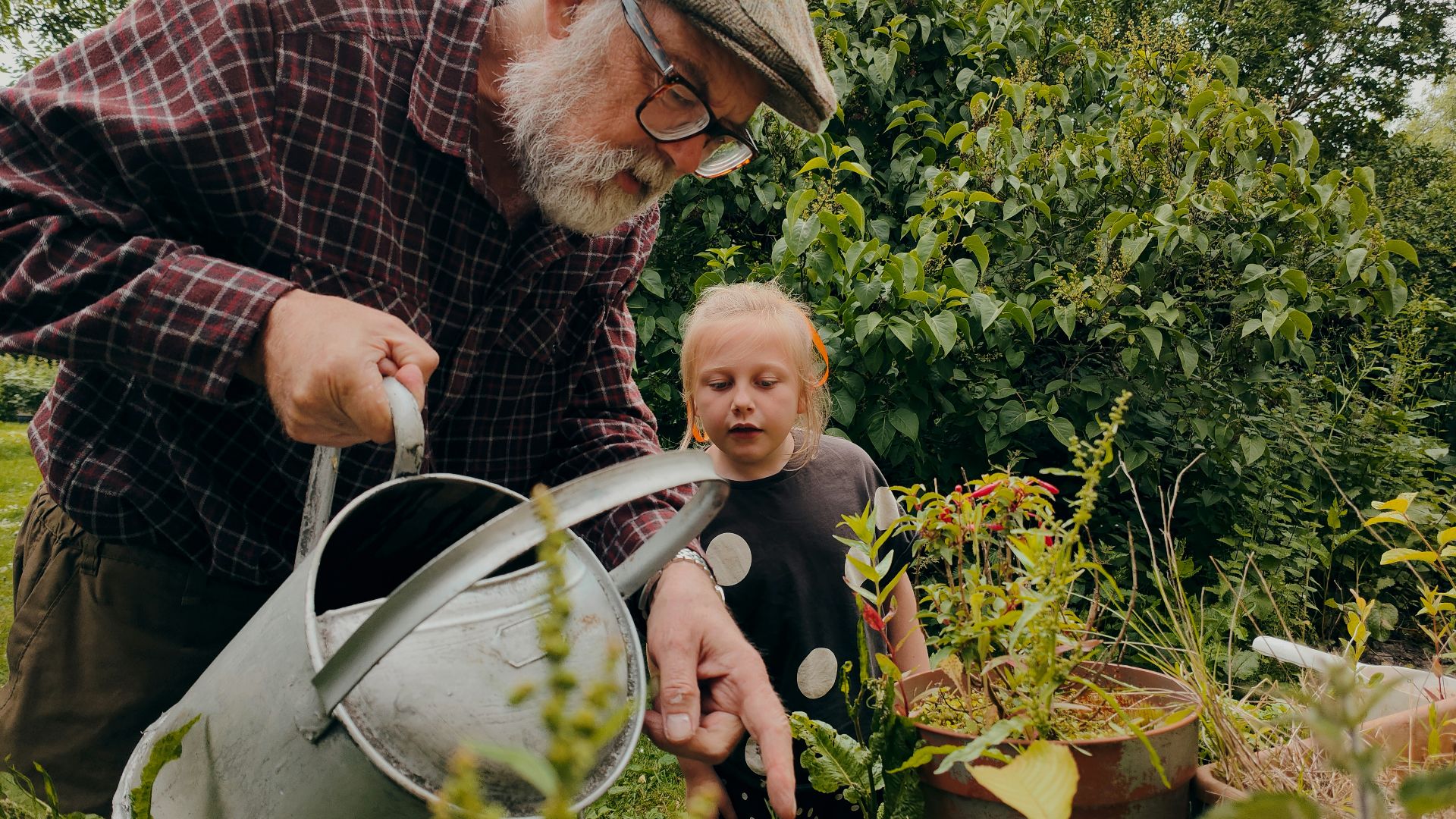
We know what you’re thinking: aren’t all gardens eco-friendly by default? Not exactly! An eco-friendly garden isn’t about perfection or performing for the neighbors; it’s about making small choices that add up to a healthier patch of earth. When you work with nature instead of trying to outsmart it, your yard becomes more resilient, more lively, and honestly, more enjoyable to be in. If you’re ready to grow something beautiful without leaving a big footprint, these five habits will put you on the right path.
Plant Native and Pollinator-Friendly Picks
Native plants are already adapted to your local climate, which means they typically need less water. What’s more, they need fewer interventions to thrive. By choosing flowers and shrubs that support bees, butterflies, and beneficial insects, you’re basically hosting a tiny neighborhood ecosystem.
Build Better Soil With Compost
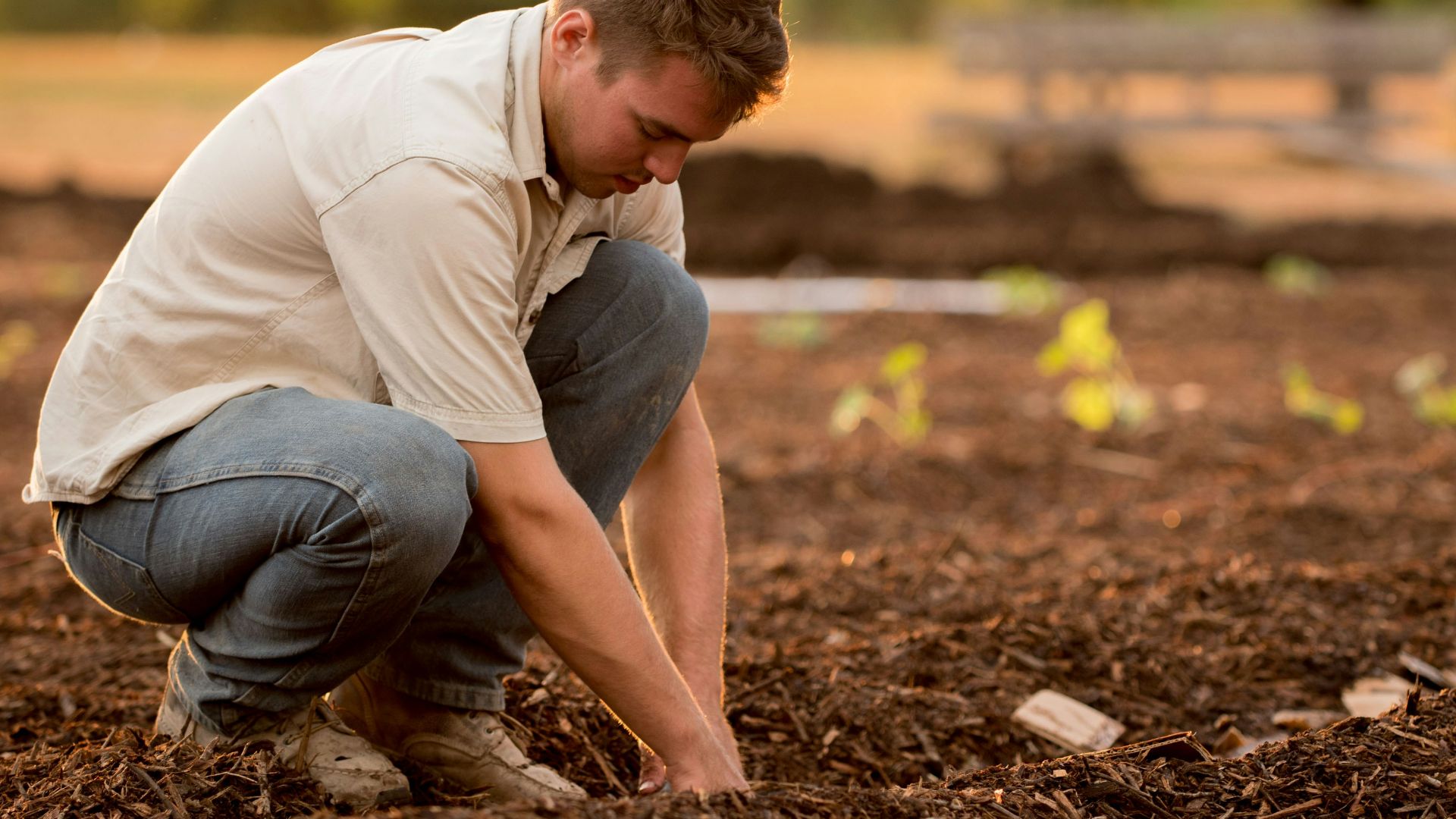
Healthy soil is the biggest hero of a sustainable garden—and compost is its favorite snack. Toss vegetable scraps, coffee grounds, and yard waste into a compost pile, then return that finished material to your beds. You’ll reduce landfill waste while improving soil structure, which helps roots grow stronger and holds moisture longer.
Water Smarter, Not Harder
If your hose does all the work, your garden’s going to cost you. It’s about watering with your brain as much as your hose! Water early in the morning to reduce evaporation, and aim for deep, occasional watering so roots learn to reach down rather than lounge near the surface. You can also mulch around plants to keep moisture in the ground and prevent weeds.
Skip Chemical Shortcuts and Encourage Natural Balance
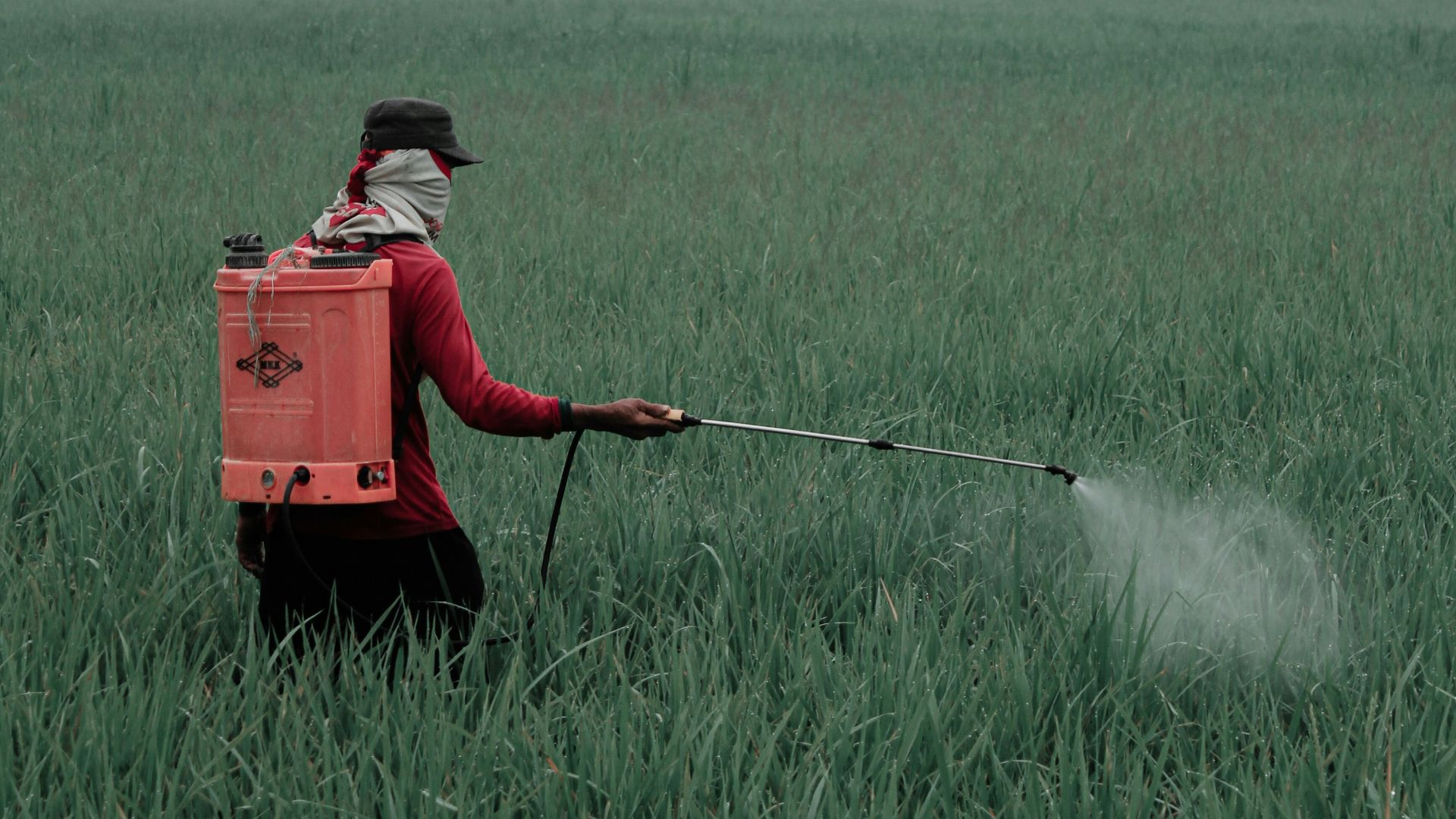
Like it or not, harsh pesticides wipe out helpful insects along with the pests. Instead of wiping away the whole team, use physical barriers, hand-pick troublemakers when needed, and invite predators like ladybugs and birds by offering shelter and water. Over time, your garden can settle into a more self-regulating rhythm.
Reuse Materials and Choose Thoughtful Tools
A perfectly good container is often hiding in your recycling bin, and it’s ready for a second chance as a planter. Repurpose pots and favor durable tools you’ll keep for years instead of replacing them every season. When you treat supplies like long-term partners, your garden becomes kinder to both the planet and your budget.
KEEP ON READING
5 Outdoor Patio Pieces Every Homeowner Needs

Proud Homeowner: 5 Perks Of Owning A Home

More Than Storage: 5 Creative Ways To Make Use Of…
5 Basic Gardening Tools Every Green Thumb Needs

A Whole New World: 5 Cozy At-Home Library Ideas