

Getting Your Green Thumb
Having a beautiful garden sounds amazing, but it's only possible with careful preparation, proper research, and consistent care. To get your garden started, you should begin with a few sensible choices made early, and each one pays off quickly. With a simple plan, you can avoid common setbacks and enjoy steady progress. Here are five straightforward tips to help you plant well and keep things pleasantly manageable.
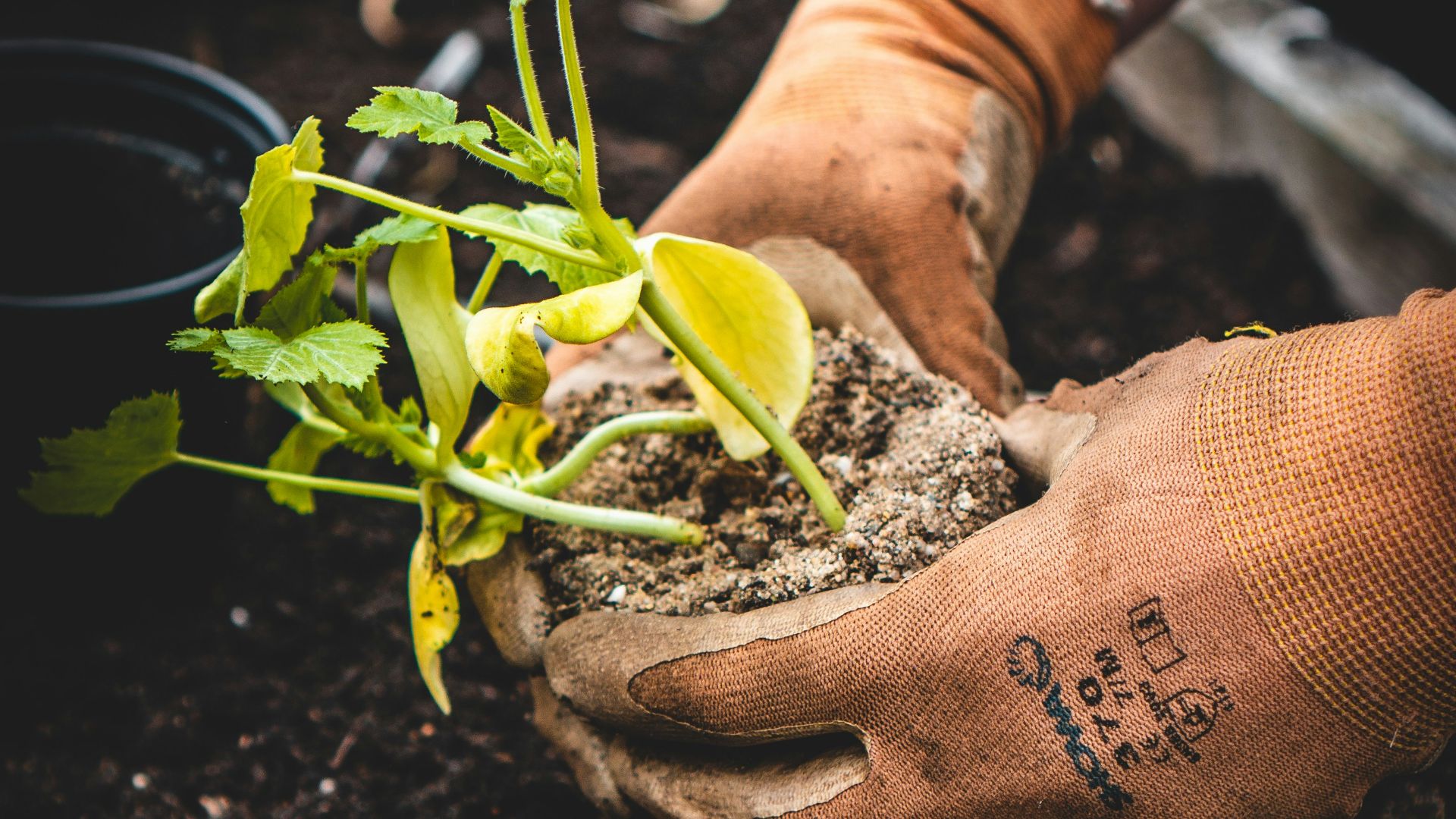
1. Choose the Right Location
Before you buy your seeds, pots, and tools, first pick a spot where the magic is going to happen. Make sure the area receives adequate sunlight for what you want to grow, and observe it for a day before committing. Another important thing to consider is if the area has decent drainage, isn't constantly soggy after rain, and is close enough to a water source for your convenience.
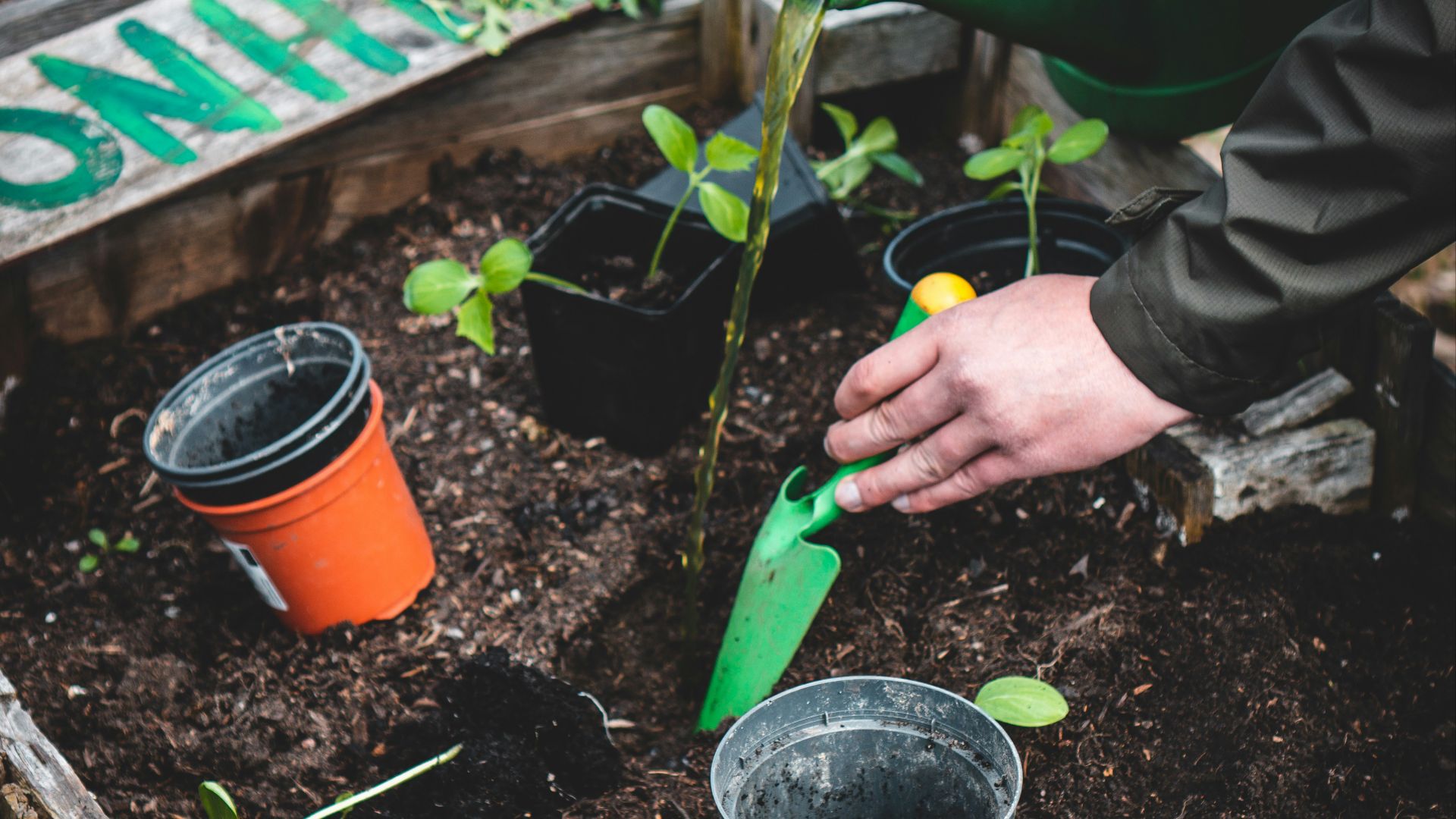
2. Prepare the Soil Properly
Before you plant your seeds, you have to tend to the soil first. Clear any weeds and debris before loosening the soil so roots can spread without resistance. Then, mix in compost or well-rotted organic matter to improve structure and support healthy growth.

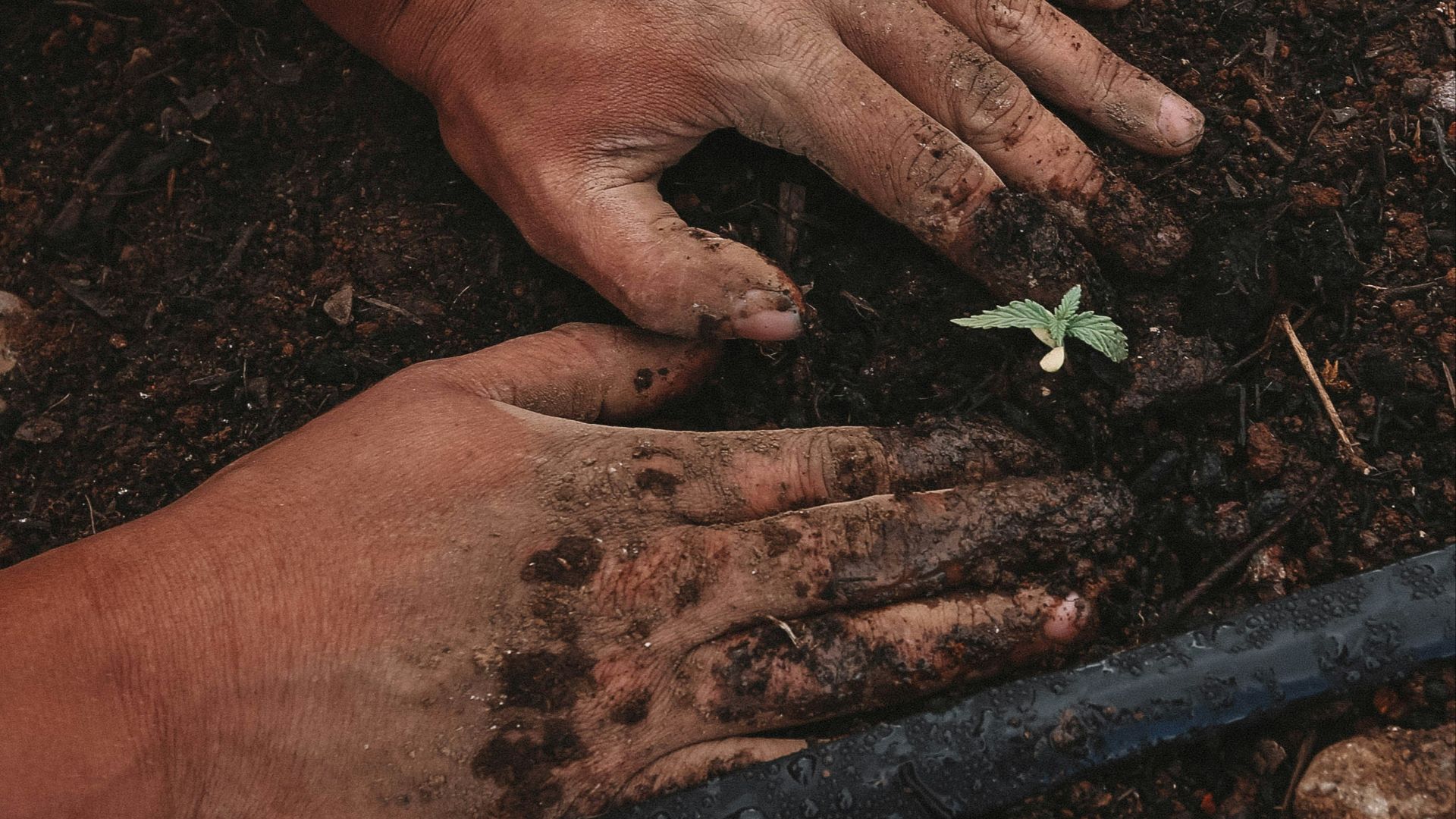
3. Plant at the Correct Time
We know you're excited, but you can't just go planting without research. Check the recommended planting window for your region and the specific plants you chose.
This is important if you want to be successful! Pay extra attention to nighttime temperatures, since late cold snaps can cause unnecessary trouble.
 GreenForce Staffing on Unsplash
4. Space Plants Sensibly
Though you can plant where you want to, it is important that you follow spacing guidelines on seed packets or plant tags, even if the empty space looks excessive at first. Good spacing improves airflow, reduces disease risk, and gives roots room to develop. It also makes watering, weeding, and harvesting far easier to handle.
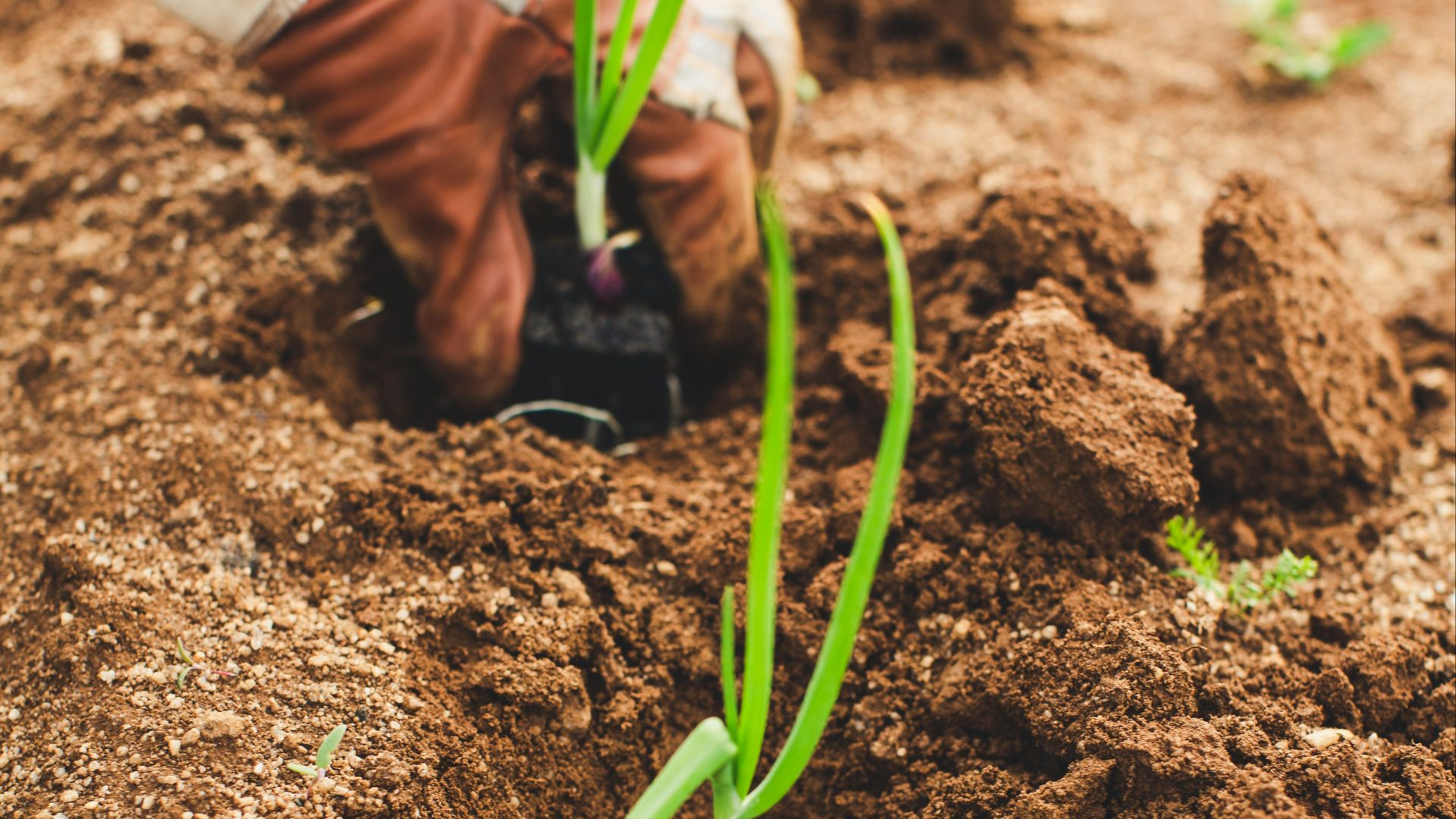
5. Water Consistently and Carefully
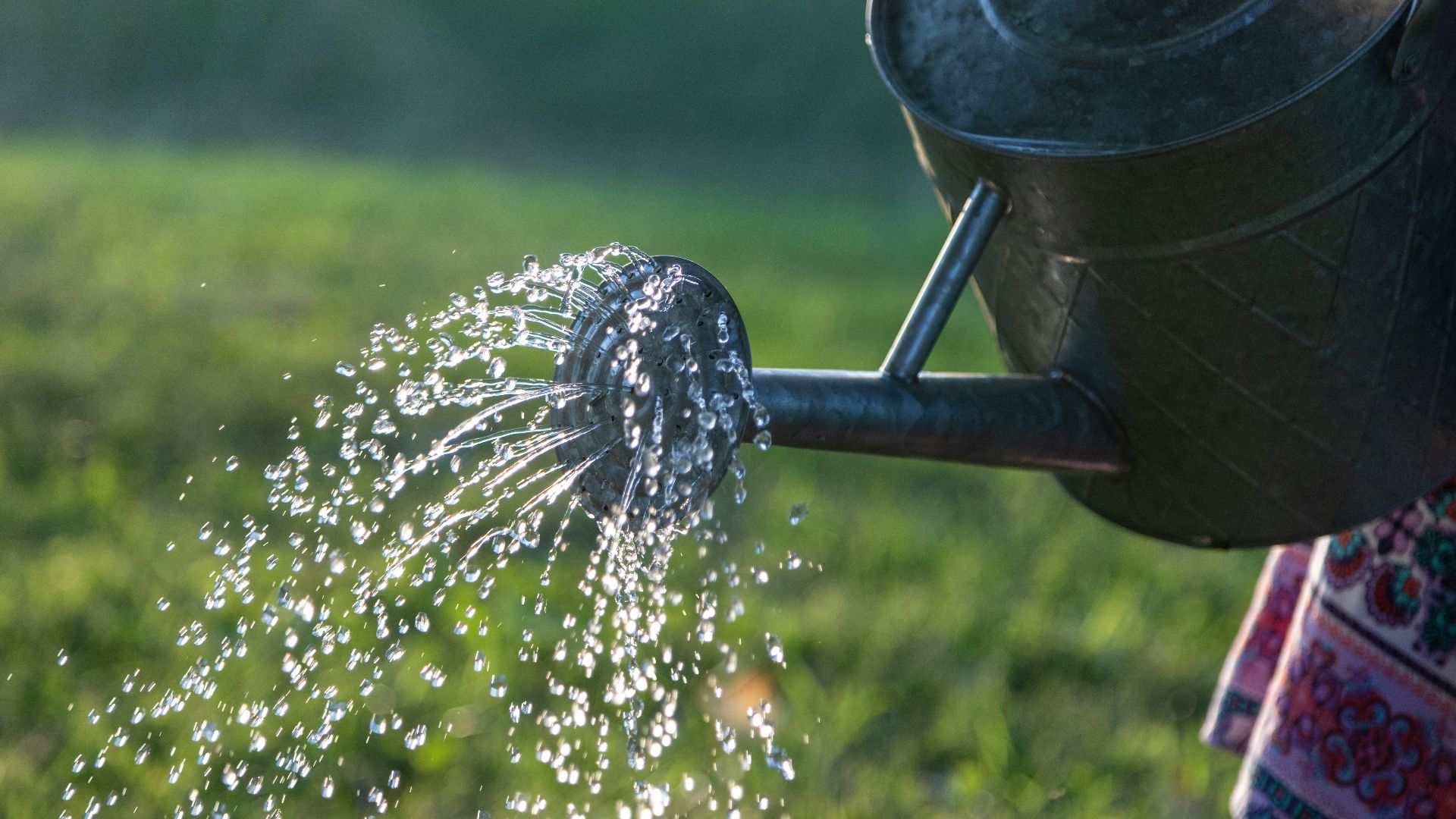
An important step any beginner already knows, consistent watering is necessary for creating a happy and healthy garden. You'll want to water deeply so moisture reaches the root zone, then allow the surface to dry slightly between sessions when appropriate. Aim watering at the soil rather than soaking leaves, which can encourage problems in humid conditions.
KEEP ON READING

5 Nautical Decor Ideas That Aren’t Super Tacky
New & Improved: 5 Tips For Sprucing Up Your Front…

5 Budget-Friendly Storage Solutions For Your Laundry Room

More Than Storage: 5 Creative Ways To Make Use Of…

A Whole New World: 5 Cozy At-Home Library Ideas