
Gardening Mistakes To Avoid
Gardening isn't just some relaxing hobby you can do without research - if you don't approach it with care, you're going to make a lot of mistakes due to poor assumptions! Many common issues come from good intentions applied at the wrong time or in the wrong amount. Here are five mistakes that are easy to make and even easier to fix once you notice them.
1. Watering on a Schedule Instead of by Need
Yes, plants and flowers need water, but it's not some fixed amount. In fact, watering every day can be just as harmful as forgetting to water at all! Soil moisture changes with temperature, sun exposure, pot size, and plant type, so a fixed routine often misses the mark.
2. Overcrowding Plants “Just This Once”
A bundle of flowers might look pretty in your head, but in reality, plants placed too close together compete for light, water, and nutrients. Limited airflow also makes it easier for fungal problems to appear, especially in humid weather. You should always follow the spacing guidelines on seed packets or plant tags.
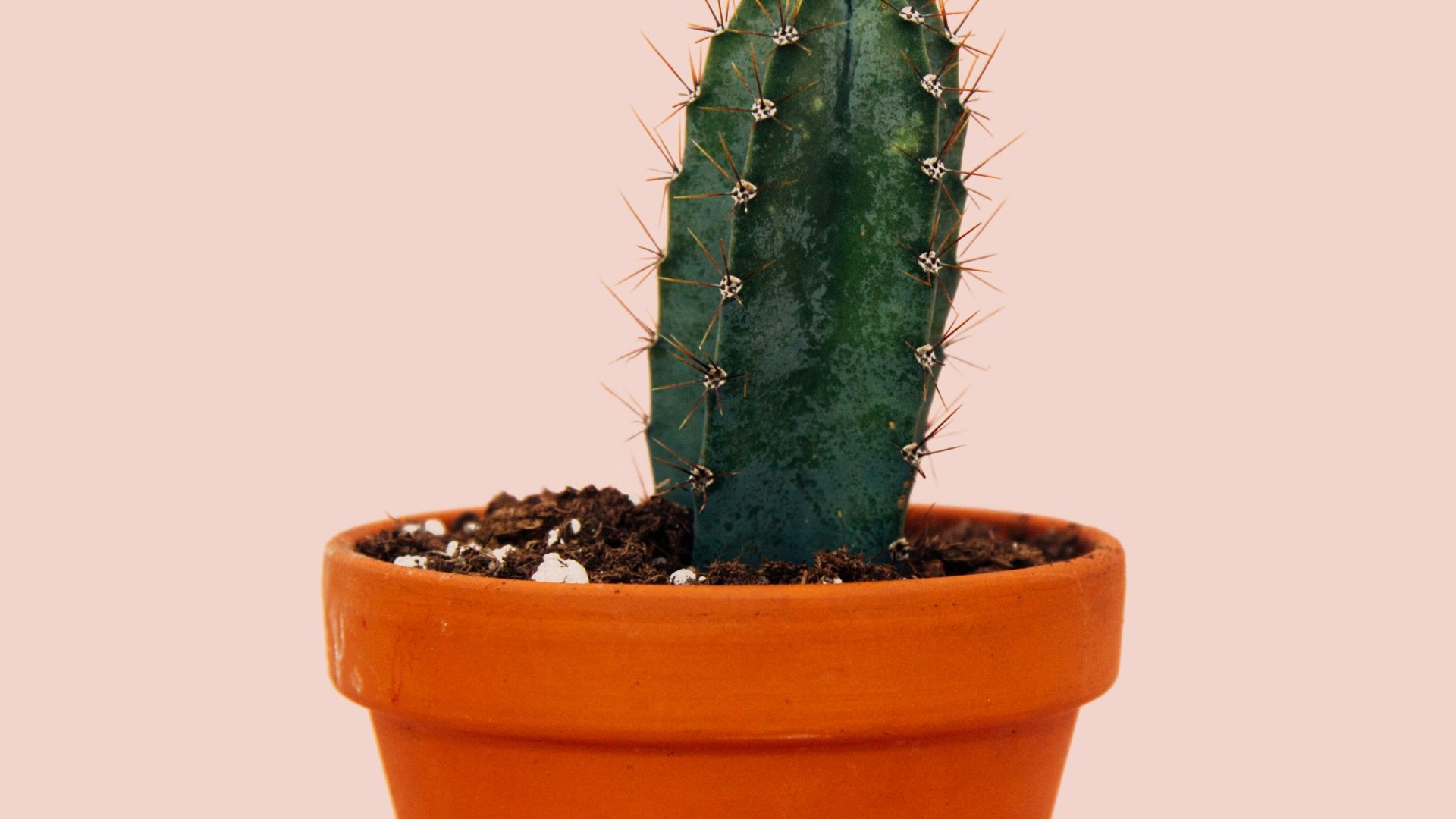
3. Using the Wrong Pot or No Drainage
Even if you picked out a pretty one from the thrift shop, you have to make sure the pot fits your plant or flower's needs. A pot without drainage holes traps water and can quickly lead to root problems. Even with drainage, a pot that is too large can hold moisture longer than the plant can use it, while a pot that is too small dries out rapidly. To avoid these problems, choose a container that matches the plant’s size and growth rate.
4. Treating All Sunlight as the Same
“Full sun” and “bright light” are not interchangeable, and plants notice the difference immediately. Morning sun, afternoon sun, and filtered light create very different conditions for temperature and moisture loss, so you should be confirming your plant’s light needs instead of assuming. This simple mistake could be the reason why your plants aren't thriving!

5. Overfeeding or Fertilizing at the Wrong Time
More fertilizer doesn't always mean more growth, and it can stress plants if applied too often or too strongly. Use the recommended dilution, fertilize during active growth, and watch for signs like yellowing leaves or weak, leggy growth that suggest an imbalance. Always use it in moderation.
KEEP ON READING

5 Reasons You Need An Interior Designer
5 Awful Things About Apartment Living

5 Tips For Preparing For An Open House

5 Amazing Housewarming Gift Ideas Everyone Would Love

Dance The Night Away: 5 Tips To Throw The Best…