Nasty Plants You Don't Want Around
If you thought basic weeds were tough to deal with, wait till you meet these difficult species. Invasive plants can spread quickly, crowd out native species, and create costly problems for gardens, parks, and natural areas. While some are easy to handle, here are five invasive plant species you truly do not want to find on your property or in your local green spaces.
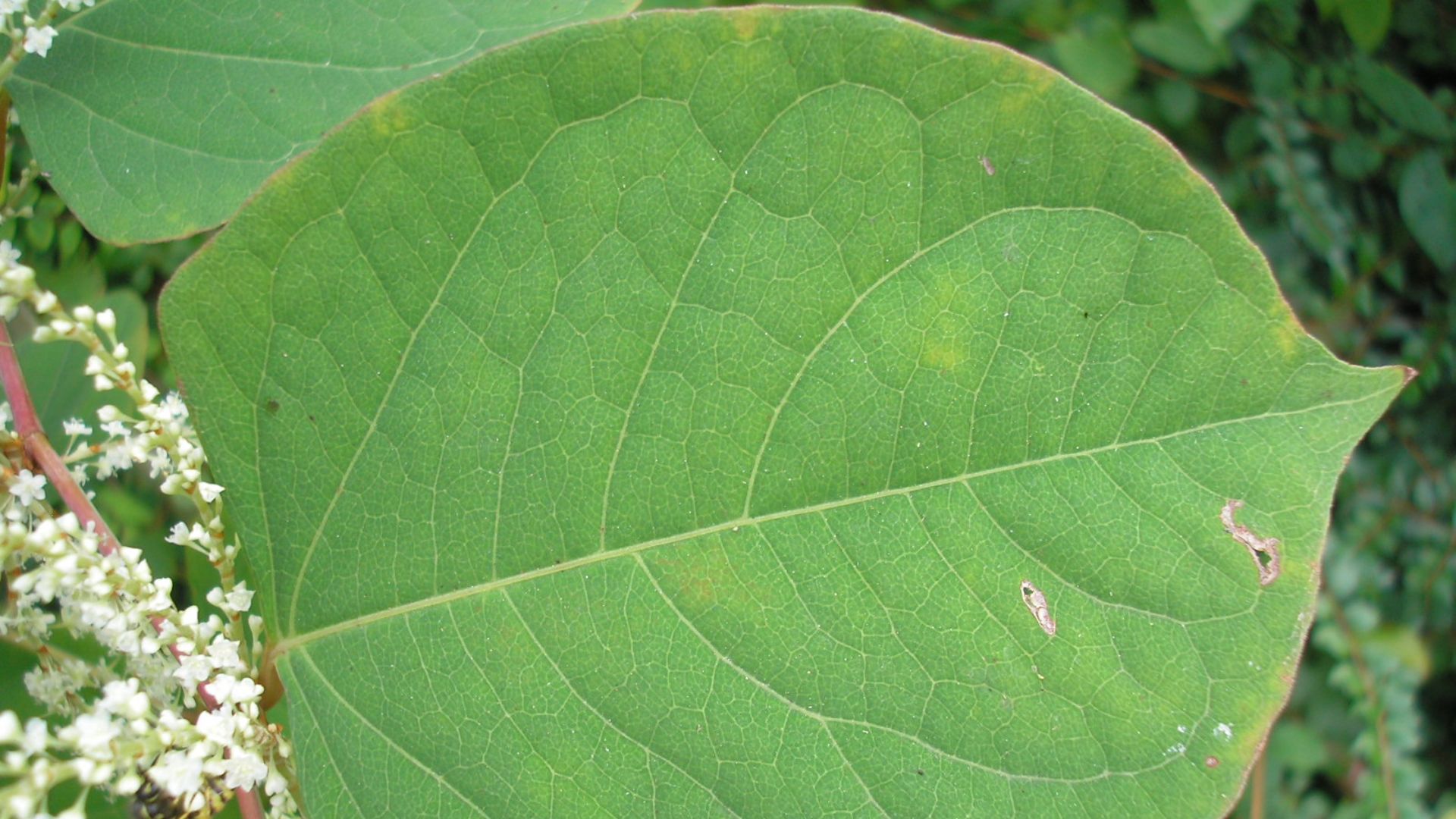
1) Japanese Knotweed (Reynoutria japonica)
Japanese knotweed is, unfortunately, as menacing as it sounds. This invasive species grows rapidly and forms dense stands that can displace many native plants. Its extensive root system makes it unusually persistent, and small fragments can regrow into new plants. You're going to have to put in a lot of work to ensure these don't continue to damage your garden.
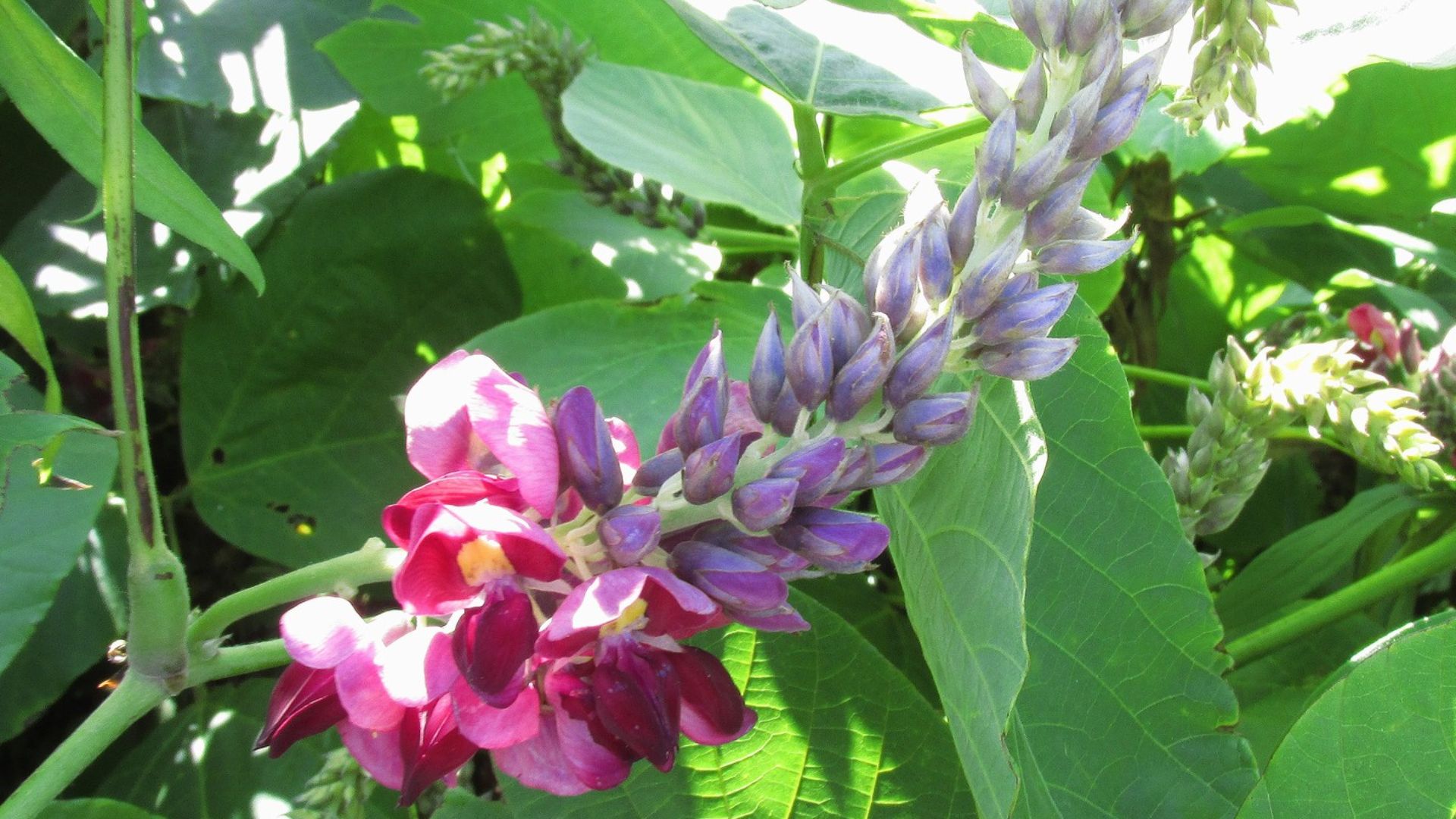
2) Kudzu (Pueraria montana)
Kudzu might not sound like a terrible plant species, but in reality, it spreads aggressively and can blanket vegetation, reducing light and stressing trees and shrubs. It grows vigorously during warm months and expands through both vines and roots.
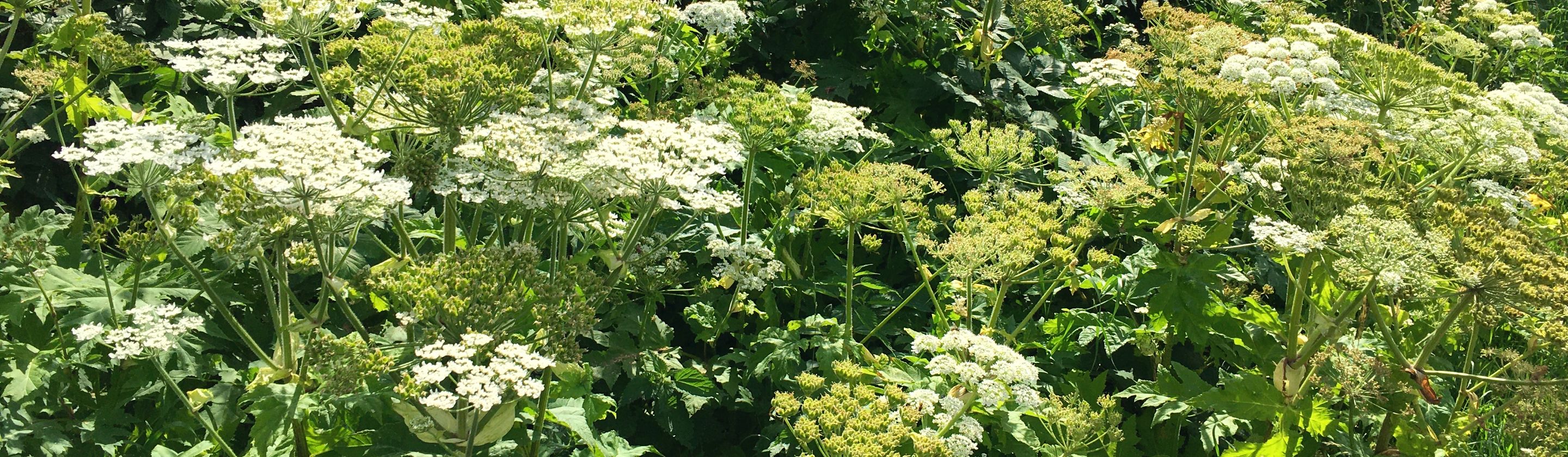
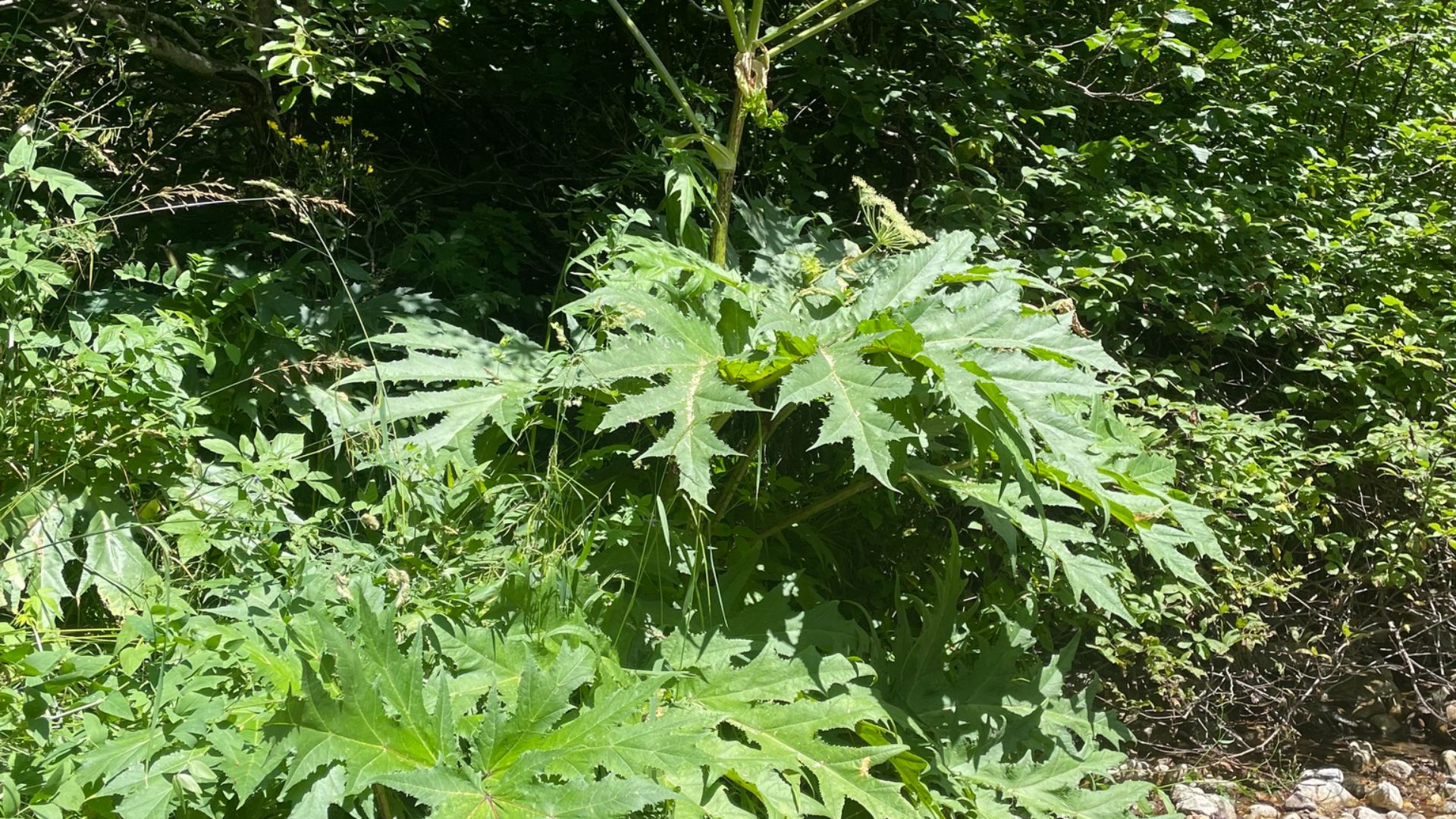
3) Giant Hogweed (Heracleum mantegazzianum)
Giant hogweed is, well, a very large and difficult plant to deal with. It's one that can dominate streambanks and disturbed areas, pushing out other species. Not to mention, its sap can cause serious skin reactions when exposed to sunlight, so be extra careful and handle with care.
 anastasiiamerkulova on Wikimedia
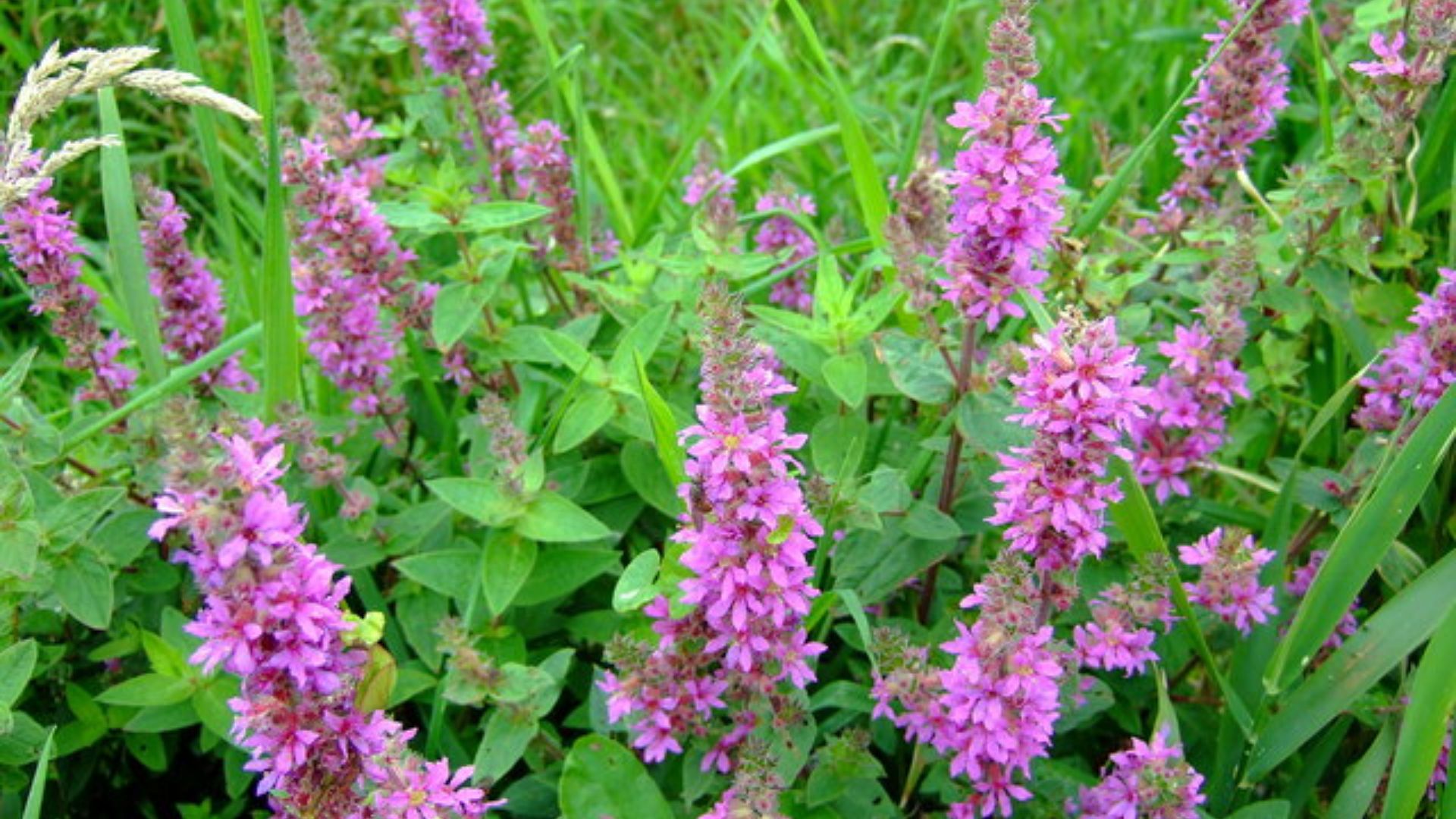
4) Purple Loosestrife (Lythrum salicaria)
Purple loosestrife may look pretty, but they're actually an invasive plant that commonly invades wetlands and can reduce habitat quality for birds, amphibians, and other wildlife. It produces large quantities of seeds and can spread through root fragments as well, making them tough to get rid of.
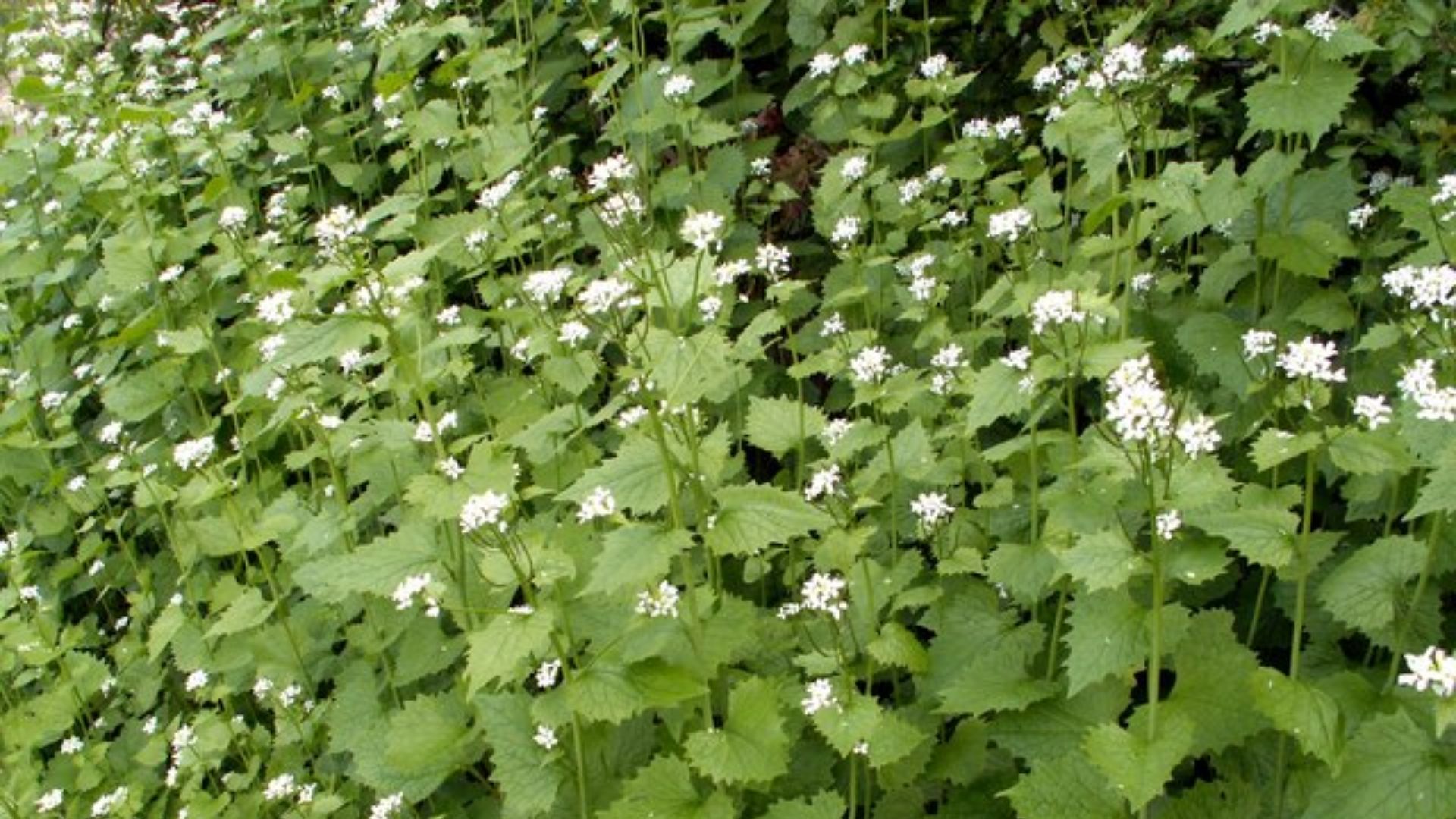
5) Garlic Mustard (Alliaria petiolata)
Garlic mustard might sound like something delicious, but this plant spreads through forests and trailsides forming thick patches that suppress native wildflowers. It can alter soil conditions in ways that make native plant recovery more difficult.
KEEP ON READING
5 Outdoor Patio Pieces Every Homeowner Needs

5 Reasons People Move Across The Country

Proud Homeowner: 5 Perks Of Owning A Home
5 Basic Gardening Tools Every Green Thumb Needs
5 Gardening Tips For Beginners